

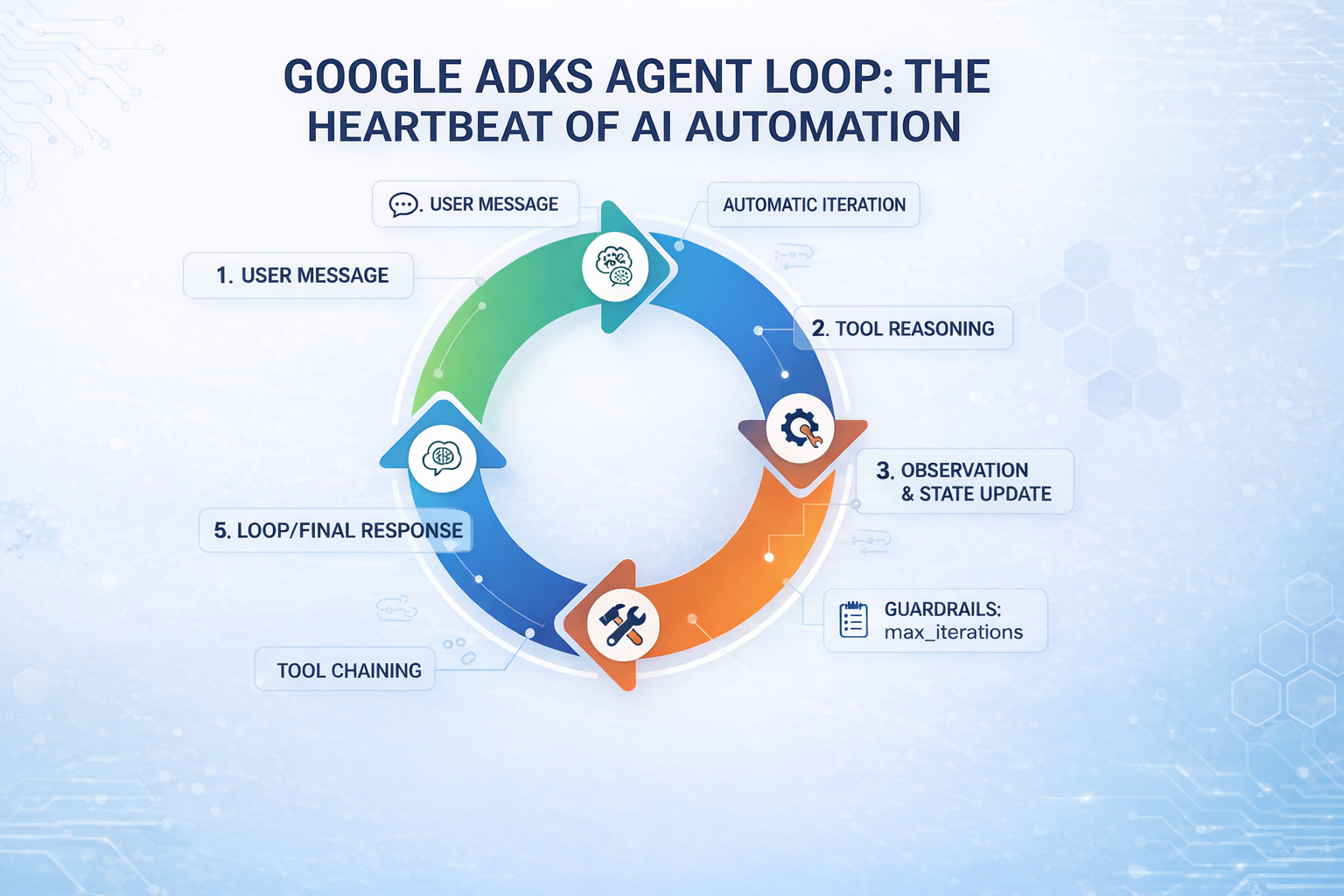
The heartbeat behind every AI agent
Ever wonder what happens between sending a message and getting a response from an AI agent?
It's not magic. It's a loop.
Google ADK's Agent Loop is the brain that decides what happens next. Should the agent respond? Call a tool? Ask for clarification? The loop figures it out — over and over until the task is done.
Let's peek under the hood.
The Loop in Plain English
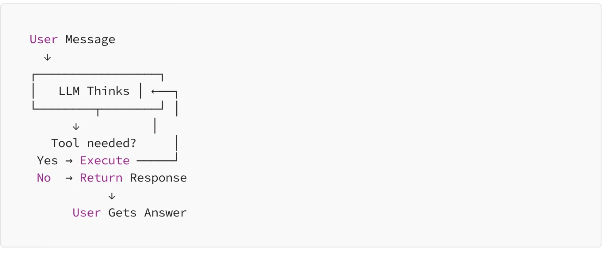
Here's what happens every time you send a message to an ADK agent:
Step 1: User sends a message
Step 2: Agent thinks about it (calls the LLM)
Step 3: LLM decides: respond OR use a tool
Step 4: If tool needed → execute it → go back to Step 2
Step 5: If no tool needed → return response to user
That's it. The loop keeps spinning until the agent has a final answer. Simple concept, powerful results.
Why Does This Matter?
Because real tasks aren't one-shot deals.
Ask an agent to "book a flight to Tokyo" and it might need to: search for flights, check your preferences, compare prices, and confirm the booking. That's four tool calls minimum — four trips through the loop.
The loop is what makes agents actually useful. Without it, you'd just have a fancy autocomplete.
Seeing the Loop in Action
Let's build a simple agent with a tool and watch the loop work:
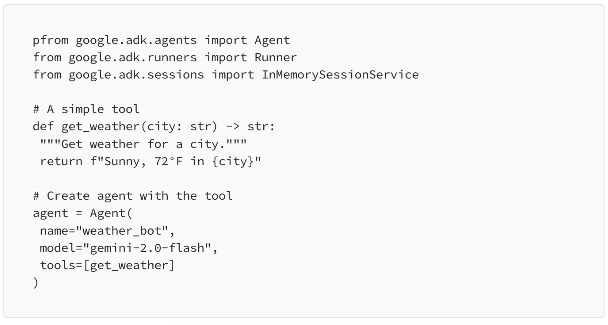
When you ask "What's the weather in Paris?", here's what happens:
Loop iteration 1: LLM sees the question → decides to call get_weather("Paris")
Loop iteration 2: LLM gets the tool result → generates final response
Two trips through the loop. One tool call. One answer.
The Loop Has Guardrails
What if the loop gets stuck? What if it keeps calling tools forever?
ADK has built-in protection. You can set a maximum number of iterations:
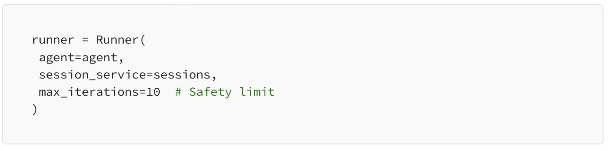
If the agent hits 10 iterations without finishing, it stops. No infinite loops. No runaway API costs.
Multiple Tools, Same Loop
The magic happens when agents have multiple tools. The LLM decides which one to use — or whether to use several in sequence.
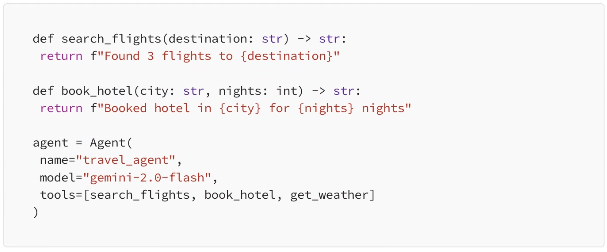
Ask "Plan a trip to Tokyo" and watch the loop work through: searching flights, checking weather, and booking a hotel. Each tool call is one iteration. The agent chains them together automatically.
Visualizing the Flow
Here's a mental model:
Key Takeaways
The Agent Loop is deceptively simple but incredibly powerful:
It's automatic. You don't write the loop — ADK handles it.
It's iterative. Complex tasks get broken into steps.
It's safe. Built-in limits prevent runaway execution.
It's flexible. Add tools and the loop adapts.
Wrapping Up
The Agent Loop is what separates a chatbot from an agent. Chatbots respond. Agents reason, act, and iterate until the job is done.
Understanding this loop helps you design better agents. You'll know why some tasks take longer, how to set appropriate limits, and when to add more tools.
It's just a loop. But it's the loop that makes agents smart.
Leave A Comment